Conquering the Howick Falls Gorge Walk: Trail Guide & Safety Tips
Beyond the Railing: Descending Into the uMngeni Gorge
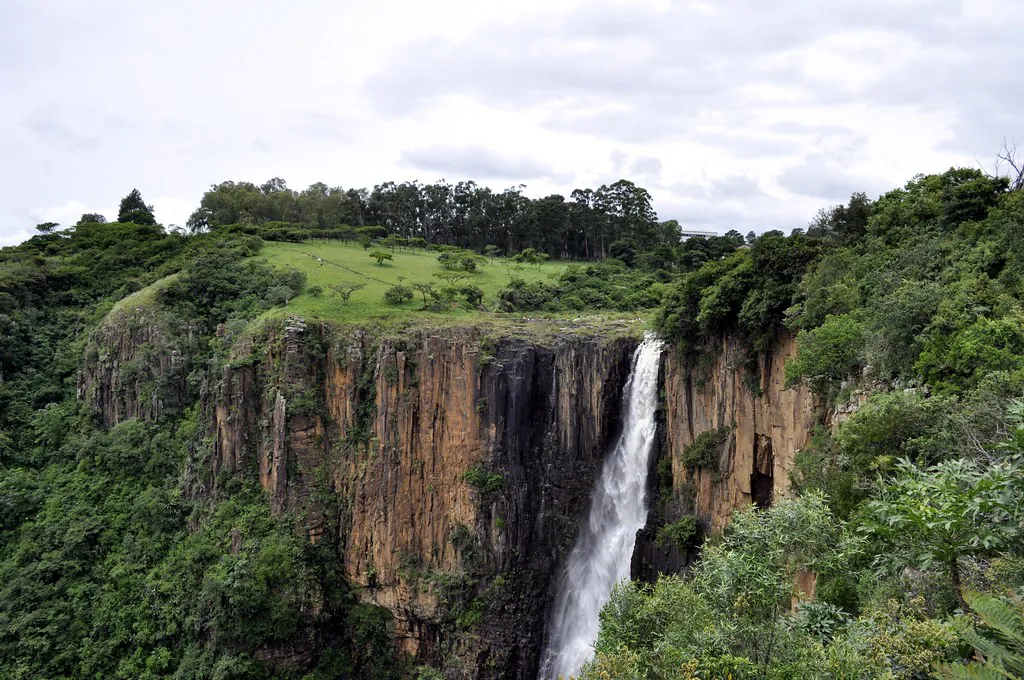
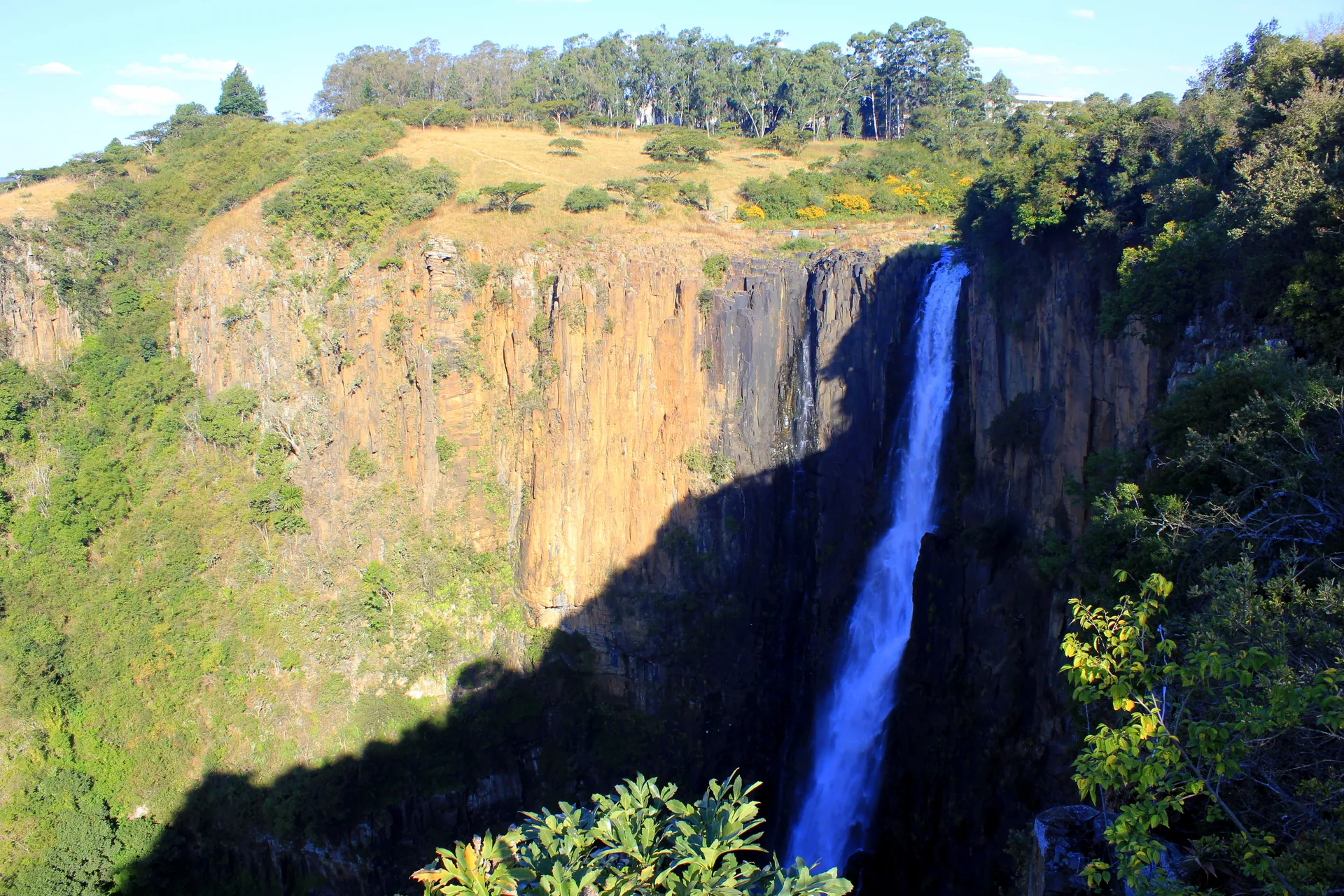
Most visitors to Howick pull into the main parking lot, walk thirty paces to the concrete apron, and lean over the black iron fence. From there, the uMngeni River plunges 95 metres over dolerite cliffs into a foaming dark pool below. It is a striking sight, particularly when the summer rain transforms the river into a roaring torrent, sending plumes of spray into the KZN mist. Yet standing behind that safety fence gives you only a distant, detached perspective of KwaZulu-Natal’s famous waterfall. To truly feel the immense power of KwaNogqaza, as the Zulu people call it, you must leave the manicured viewpoint behind and take the trail into the canyon.
The Howick Falls Gorge Walk drops steep through lush riverine forest, tracing the ancient erosion path carved by the river over millions of years. Living here in the Midlands, I have walked this path in bright winter sunshine and under thick summer cloud cover when the mist hangs so heavy you can barely see twenty yards ahead. The gorge has its own microclimate, cool and perpetually damp, smelling of rich earth, decaying leaves, and bruised ferns. If you are wondering what is the Howick Falls Gorge Walk like, expect a rugged foot track that trades paved walkways for wet roots, mud, and boulders, rewarded by an intimate encounter with one of South Africa’s greatest natural landmarks.
Before you zip up your jacket and head down, here is a quick overview of the physical requirements and logistical baseline for this trek:
- Trail Distance: Approximately 2.5 kilometres round trip from the trailhead to the riverbed pool.
- Total Duration: 1 to 1.5 hours each way; allow at least 2.5 hours total for rest, photography, and the steep climb back up.
- Elevation Drop: Roughly 100 vertical metres along a condensed, winding track.
- Trail Difficulty: Moderate to challenging, requiring surefootedness on damp rock and uneven gradients.
- Trailhead Location: Marked by an official sign board at the bottom of Harvard Street in Howick, just a short stroll from the main town center.
For visitors organizing a broader itinerary across the region, checking our guide on getting to Howick helps with parking details near the trailhead, while review details on guided excursion options give you a full sense of local operator rates.
Terrain, Scrambling, and Technical Difficulty
This path is not a gentle stroll through a manicured park. The upper section starts off deceptively simple, winding through suburban fringe brush, but it quickly transforms into a single-track scramble. You are navigating steep gradients, loose shale, exposed roots, and sections where the red clay soil retains moisture days after the last rainstorm. Slipping is a real hazard, particularly on the lower third where constant spray from the falls coats the rocks in a slick film of algae.
Negotiating the final approach to the riverbed requires using your hands for balance across river boulders. Physical fitness is necessary, but balance and careful foot placement are far more critical. Children who are accustomed to outdoor hiking can complete the walk easily, but elderly travelers or anyone with knee stability issues will find the sharp descent taxing. Taking slow, calculated steps ensures you arrive at the bottom without twisted ankles.
The Subtropical Riverine Ecosystem
Descending into teh shadow of the gorge reveals a sheltered ecosystem vastly different from the open acacia grasslands of the upper Midlands plateau. Giant yellowwoods, wild fig trees, and dense forest canopy block out the harsh mid-day sun, creating damp grottos covered in moss and liverworts. The humidity stays high year-round, nurtured by the continuous mist drift blowing off the main fall pool.
Birdlife along the trail is exceptional. If you keep quiet, you may spot red-chested cuckoos, Knysna turacos displaying their brilliant crimson wing feathers in flight, or majestic crowned eagles soaring between the basalt cliffs above. African black ducks navigate the fast-flowing eddies near the bottom. The gorge feels isolated and wild, a secluded sanctuary right beneath the bustling streets of town.
Why You Should Hire a Local Community Guide
While experienced hikers can physically find their way down the path, hiring a local community guide transforms a standard Howick falls hike into a rich cultural and educational experience. Local guides, accredited through the Howick Falls Conservancy, possess an intimate knowledge of the gorge floor, tracking seasonal path shifts, hidden footing hazards, and bird calls that unguided visitors pass right by.
A standard guide fee is roughly R200 per group, money that directly supports local employment and trail maintenance initiatives managed by the conservancy. Beyond trail safety, your guide provides historical narrative about early European settlement in the 1800s, local Zulu heritage, and ongoing conservation efforts to keep the uMngeni catchment free from invasive alien vegetation.
Booking a community guide at the trailhead office at Harvard Street not only supports local livelihoods, but gives you an experienced advocate who knows exactly how the river behaves when rain falls upstream.
Cultural Weight and the Sacred Inkanyamba
In Zulu culture, KwaNogqaza translates to “Place of the Tall One,” referencing the sheer height of the cascade. To traditional healers (sangomas) and local Zulu communities, the deep basin at the base is not merely a geographic feature; it is a deeply sacred spiritual sanctuary. According to long-standing folklore, the pool is the home of the Inkanyamba, a giant serpent-like creature associated with fierce summer storms, tornadoes, and floods.
Traditional ceremonies and offerings are still conducted along the riverbanks near the base. Visitors should approach the water with quiet respect, staying on designated paths and avoiding intrusive behavior if rituals are taking place. You can read a complete breakdown of these ancient spiritual traditions in our deep-dive article on the legend of the Inkanyamba serpent.
Photographic Vantage Points from the Riverbed
For landscape photographers, descending into the gorge is essential. Topside shots from the public deck tend to look flat, especially during harsh mid-day lighting. Down on the rocky riverbed, you can incorporate mossy dolerite boulders, swirling river water, and towering sheer walls to give your images dramatic scale and depth.
Golden hour early in the morning is the ideal window. As the sun rises over the eastern rim, light hits the water droplets hanging in the air, creating bright rainbows across the face of the falls. Bring a microfibre cloth to wipe spray off your camera lens constantly, and pack a solid circular polariser filter to cut through glare on the wet river rocks. Official destination advice from South African Tourism highlights these riverbed vantage points as some of the finest photo opportunities in the KZN Midlands.
Essential Footwear and Gear Checklist
Attempting this descent in flip-flops or smooth-soled fashion sneakers is asking for trouble. Damp clay and wet basalt require proper hiking footwear with aggressive tread patterns. A sturdy pair of trail runners or ankle-high hiking boots is highly recomended to prevent slipping on mud slopes.
Your pack should stay lightweight, but double-check that you have these essentials before stepping past the trailhead sign:
- Water Bottling: At least 1 litre of fresh drinking water per person.
- Dry Bag: A waterproof sack to protect sensitive electronics, cameras, and mobile phones from heavy mist spray at the bottom.
- Light Rain Shell: KZN weather changes fast; a packable windproof/waterproof jacket keeps you warm in the cold gorge draft.
- Trekking Poles: Highly useful for relieving knee pressure on the steep descent and maintaining balance across wet river rocks.
Crucial Safety Protocols & Practical Advice
Safety down in the canyon requires common sense and respect for natural forces. The uMngeni River is fed by a massive upstream catchment area that includes Midmar Dam and several agricultural tributaries. When heavy thunderstorms strike the Midlands, water levels in the gorge can rise rapidly without immediate warning at the trailhead. Always check local weather reports before starting your descent.
Never attempt the gorge walk during heavy summer downpours. Flash flooding and falling rock debris present severe hazards along the narrow canyon walls.
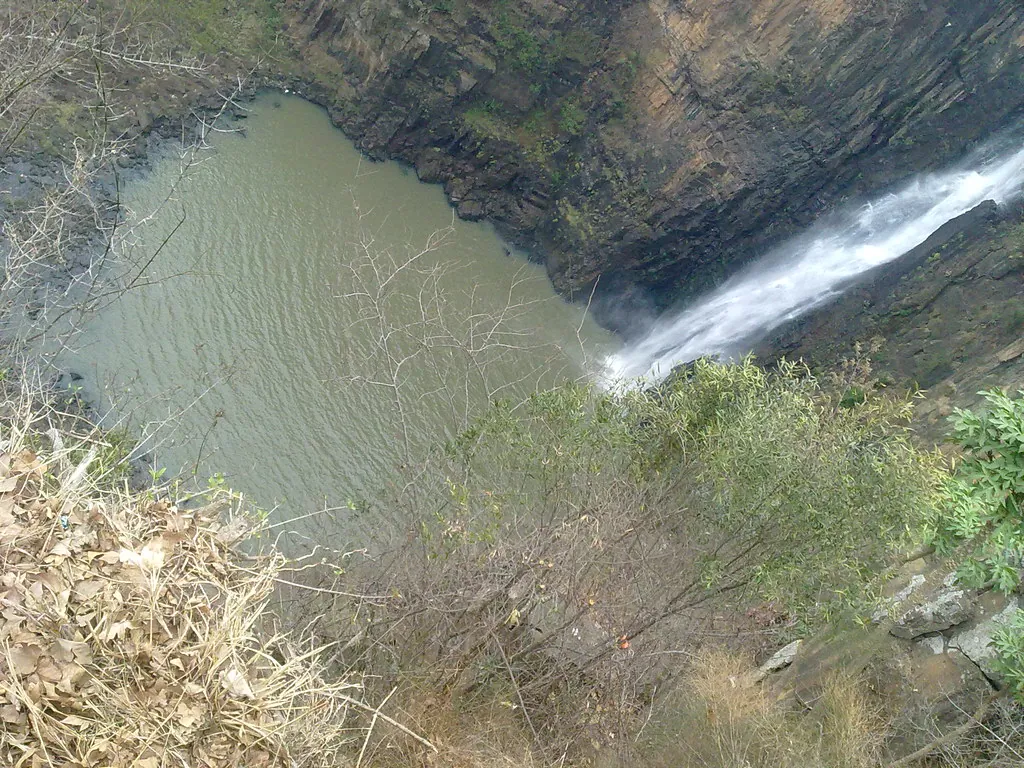
A critical rule for every visitor: do not swim in the pool at the base of Howick Falls. Beyond the cultural sensitivity of the site, water quality in the plunge pool is heavily impacted by urban runoff from surrounding municipal areas, presenting health risks. Furthermore, the hydraulic forces beneath the 95-metre water drop create powerful underwater vortexes and hidden undertows that have proven lethal to swimmers over the decades. Read our detailed guide on waterfall safety protocols in South Africa before setting out on your hike.
Always hike in groups of two or more, tell someone at your lodge when you expect to return, and carry a fully charged mobile phone. Cell signal is patchy at the bottom of the gorge, but generally cuts back in once you ascend fifty metres up the canyon wall. Review our comprehensive list of visitor rules and guidelines to ensure your visit remains safe and compliant with local conservation regulations.
Combining Your Hike with the Midlands Meander
One of the great joys of visiting Howick is how easily an adventurous morning hike transitions into relaxed country living. The trailhead at the bottom of Harvard Street places you within five minutes of the town’s historic precinct. After climbing back up out of the canyon, hot coffee, freshly baked scones, and local artisan shops are waiting right around the corner.
Spend an hour exploring the craft stalls near the main viewing deck, where local Zulu artisans carve wooden wildlife, craft intricate beadwork, and sell hand-woven baskets. From there, drive five minutes down the road to discover the broader Midlands Meander route, filled with pottery studios, cheese farms, microbreweries, and leather craft workshops scattered across rolling green countryside that reminds me so much of the English countryside back home.
Whether you are staying in Howick for a full weekend or taking a day trip out from Durban or Pietermaritzburg, conquering the gorge walk is the single best way to experience the wild heart of KwaNogqaza. Check out our curated list of top things to do in Howick to complete your trip planning, or consult our visitor planning FAQ hub for seasonal weather tips and packing recommendations.