The Ultimate Guide to KwaZulu-Natal’s Most Famous Waterfalls
Setting the Scene in the KwaZulu-Natal Mist Belt
As a British expat who swapped the Yorkshire Dales for the KZN Midlands, I often find myself comparing the rolling hills here to home. The morning mist rolls across the valleys around six o’clock, dampening the green slopes and wrapping the acacia trees in heavy grey silk. Standing on the edge of the gorge in Howick, you smell wet slate, rich earth, and native yellowwood foliage long before you hear the roar of teh water.
KwaZulu-Natal holds some of the most extraordinary cascades on the African continent. Travelers planning a road trip through this province quickly realize that water dictates the landscape, carving through sandstone cliffs in the Drakensberg mountains and cutting deep gorges through inland farming towns.
Unpacking the Majesty and Mystery of Howick Falls
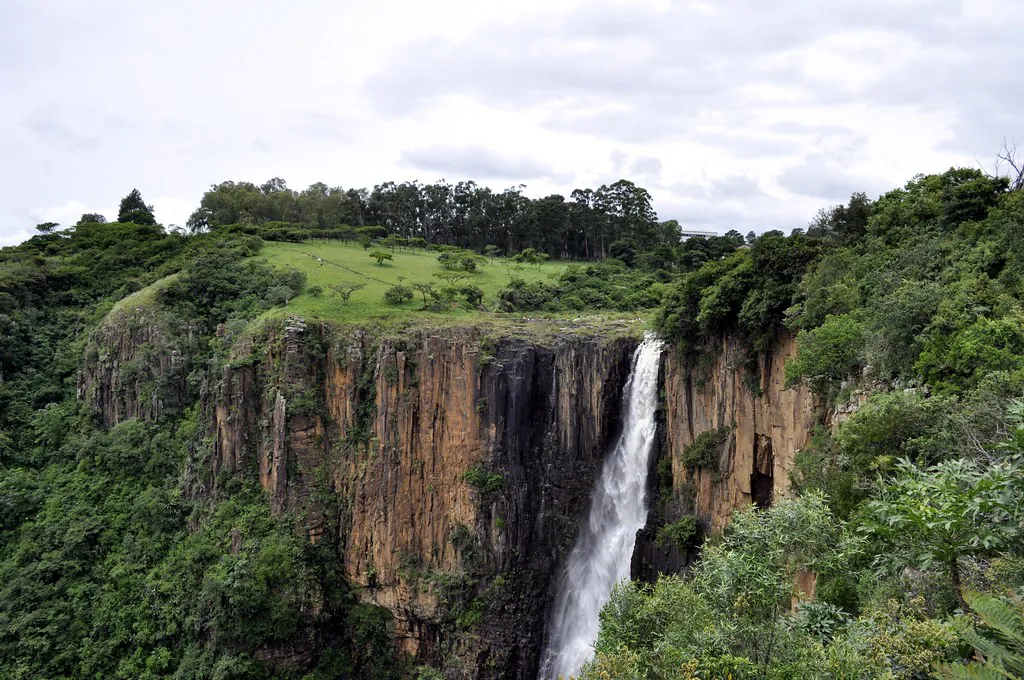
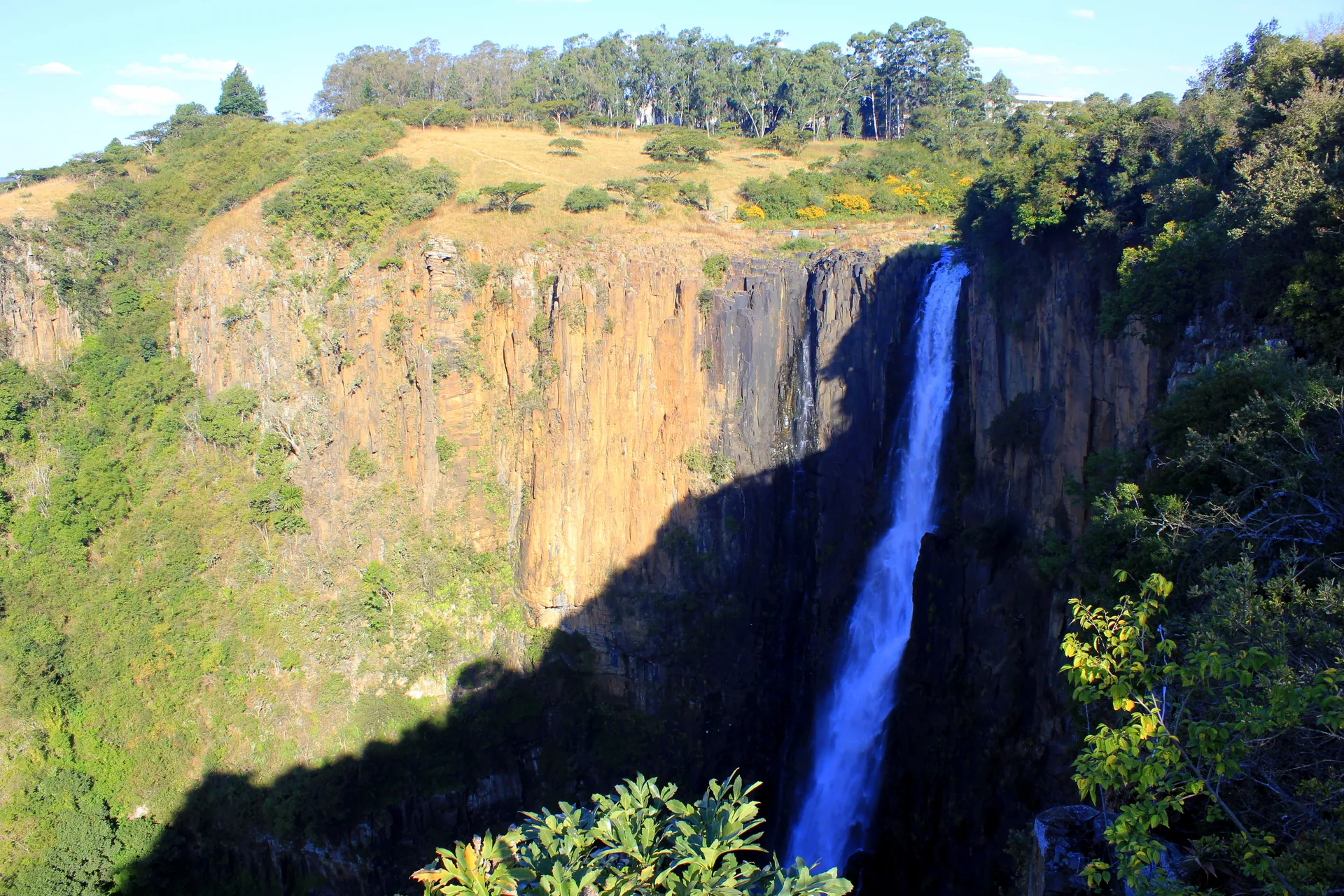
What is the most famous waterfall in South Africa? While debate occasionally flares among coastal residents and mountain hikers, Howick Falls holds that title for most visitors traversing the country. Dropping 95 metres (310 feet) over a sheer cliff face of dolerite, the Umgeni River plunges directly into a dark, turbulent pool below. In the local Zulu language, the cataract is called KwaNogqaza, which translates directly to “Place of the Tall One”.
Unlike cascades hidden deep within national parks, Howick Falls drops right on the edge of town. You can park your motor vehicle, walk twenty paces past small coffee shops, and gaze directly down into the abyss where the water spills over from.
Howick Falls vs. KZN’s Alpine Giant (Tugela Falls)
Those asking what is the biggest waterfall in South Africa will inevitably be directed towards the Drakensberg escarpment. Tugela Falls, located in Royal Natal National Park, claims that title with an staggering overall height of 948 metres (with recent scientific surveys recording drops up to 983 metres). It is a seasonal multi-drop cascade tumbling down the dramatic cliff face of the Amphitheatre.
Comparing Tugela to Howick comes down to physical effort and volume. Tugela requires an energetic day-hike along mountain ridges to reach either the top or bottom, and during dry winter months, the flow can trickle down to a thin ribbon. Howick Falls maintains a steady, heavy flow year-round thanks to the substantial catchment area of the upper Umgeni River.
| Waterfall | Height | Watercourse | Access Level |
|---|---|---|---|
| Howick Falls | 95m (312ft) | Umgeni River | Immediate urban viewing deck / 1-hr gorge trail |
| Tugela Falls | 948m (3,110ft) | Tugela River | Multi-hour alpine trek in Royal Natal National Park |
| Karkloof Falls | 105m (344ft) | Karkloof River | Nature reserve parking with short forest walk |
Forest Canopies and Cascades: Comparing Howick with Karkloof Falls
Just fifteen minutes north along dirt roads leads to Karkloof Falls, tucked within the Karkloof Nature Reserve. Standing slightly higher than Howick at approximately 105 metres, Karkloof offers a completely different atmosphere. Thick mist-belt forest envelopes the headwaters, and birdwatchers frequent the surrounding trails to spot forest weavers and Samango monkeys.
Where Howick delivers dramatic impact and village commerce, Karkloof provides solitude. You can picnic on wide granite slabs above the drop while watching yellowwood trees sway in the gorge below.
Deep Valleys and Coastal Escapes: Oribi Gorge and Uvongo Falls
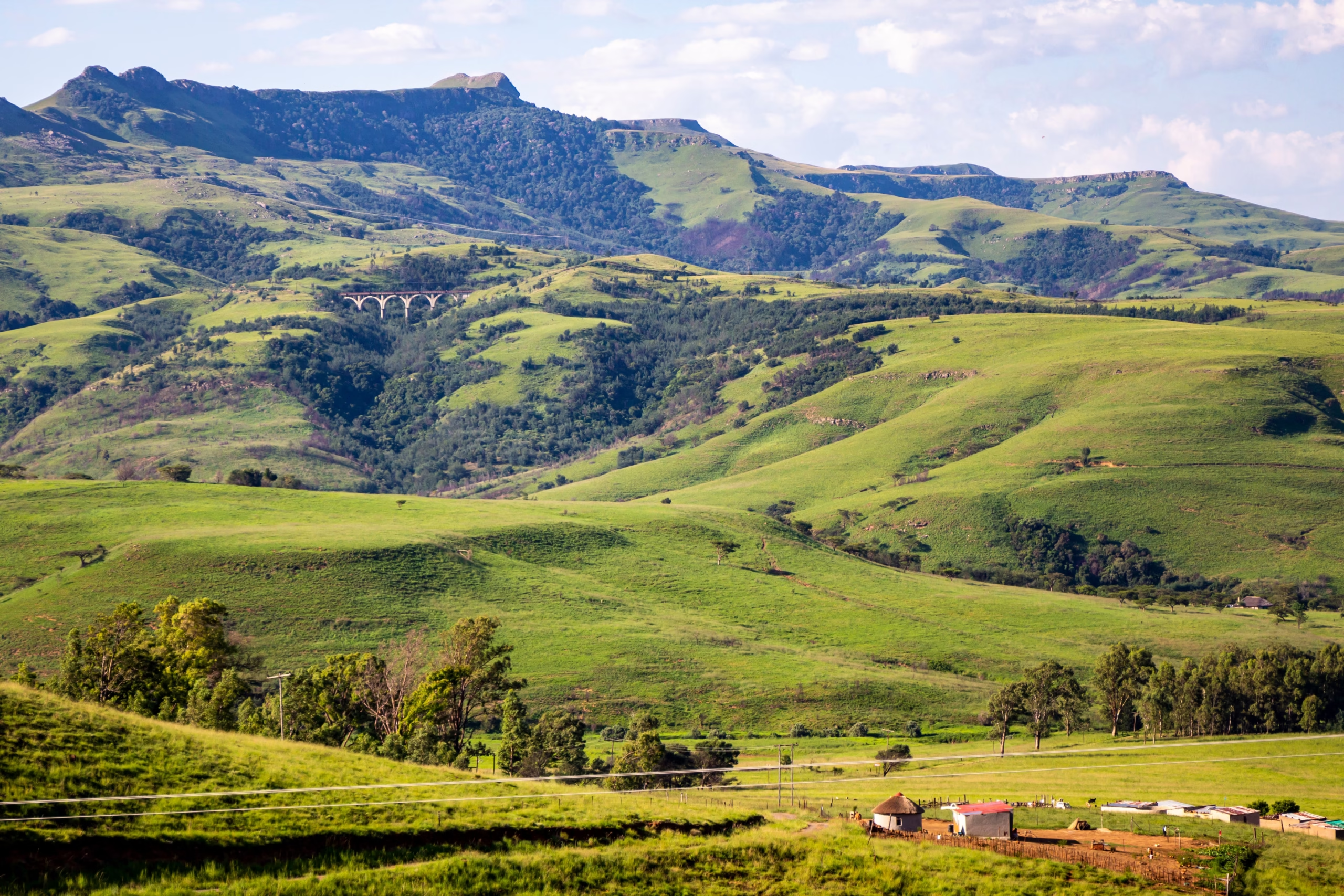
South along the coastline, KwaZulu-Natal’s water network shifts from temperate highlands to subtropical valleys. Oribi Gorge features the Murchison Falls dropping into a sandstone canyon lined with sugar bush and aloe. Further down the coast at Uvongo, a 23-metre waterfall empties into a tidal lagoon right on the beach, allowing swimmers to paddle beneath freshwater cascades within earshot of Indian Ocean waves.
Each site serves a distinct purpose for travelers. The coastal falls offer salt-air recreation, but none match the dramatic single-drop vertical drop and cultural weight found at Howick.
Why Howick Wins the Convenience Factor
Urban integration makes Howick uniquely welcoming to international road-trippers and families. You do not need heavy hiking boots or 4×4 vehicles to appreciate the view. The primary viewing platform sits right at the end of Main Street, complete with paved walkways and railing defenses.
For those eager to explore deeper, the Howick Falls Gorge Walk provides a proper descent down the cliffside to the riverbed. The one-hour walk down requires sturdy footwear, but returning to town for a hot pot of tea takes just minutes. Self-drive travelers can review complete travel logistics and parking advice on our detailed Howick transport guide.
Folklore, Sangomas, and the Legend of the Inkanyamba
Beneath the physical beauty lies deep spiritual significance. Local Zulu tradition identifies the churning pool at the base of the falls as the home of the Inkanyamba, a giant winged serpent creature associated with violent summer storms and heavy rains.
Traditional healers, known as sangomas, hold sacred ceremonies along the upper rim and riverbanks, offering prayers and herbs to respect the water spirits. Visitors who want to understand this spiritual history should explore our guide to the legend of the Inkanyamba, which explains why local communities hold the pool in profound reverence.
Infrastructure and Modern Upgrades
The municipal precinct surrounding Howick Falls has received deliberate upgrades to enhance visitor comfort. Secure parking areas, clear signage, and dedicated tourism safety officers maintain order around the main platform. The local uMgungundlovu Economic Development Agency works closely with provincial bodies like KZN Tourism to maintain clean public facilities.
Visitors planning their trip can check live updates and booking options on our tickets and booking hub, where organized day tours from Durban combine Howick Falls with neighboring heritage stops like the Nelson Mandela Capture Site.
Chasing Golden Hour Light Across Provincial Cascades
For photographers, Howick Falls is best captured during late afternoon. As the sun sinks behind the Midlands ridge, golden light hits the mist spray rising from the dark plunge pool, generating vivid rainbows against the damp basalt rock face.
A tripod and ND filter allow you to slow your shutter speed to roughly two seconds, smoothing out the white water while keeping the surrounding cliff vegetation sharp. Early morning visits often yield thick valley fog that clears around eight o’clock, creating ethereal conditions as sun shafts cut through the trees.
Safety Realities: Navigating Strong Currents and Local Hazards
Respecting the terrain is essential when visiting any waterfall in KwaZulu-Natal. The Umgeni River currents above the precipice are deceptively swift, and wet basalt rocks along the gorge trails become extremely slick after rain. Swimming in the plunge pool is strictly prohibited due to dangerous undercurrents and submerged debris.
Travelers should stay well behind safety barriers on the upper decks and refrain from venturing onto wet rock ledges for photographs. For a thorough breakdown of local advisories and rules, read our dedicated waterfall safety guide and check our visitor rules page.
Craft Markets and Artisan Culture: Midlands Hospitality
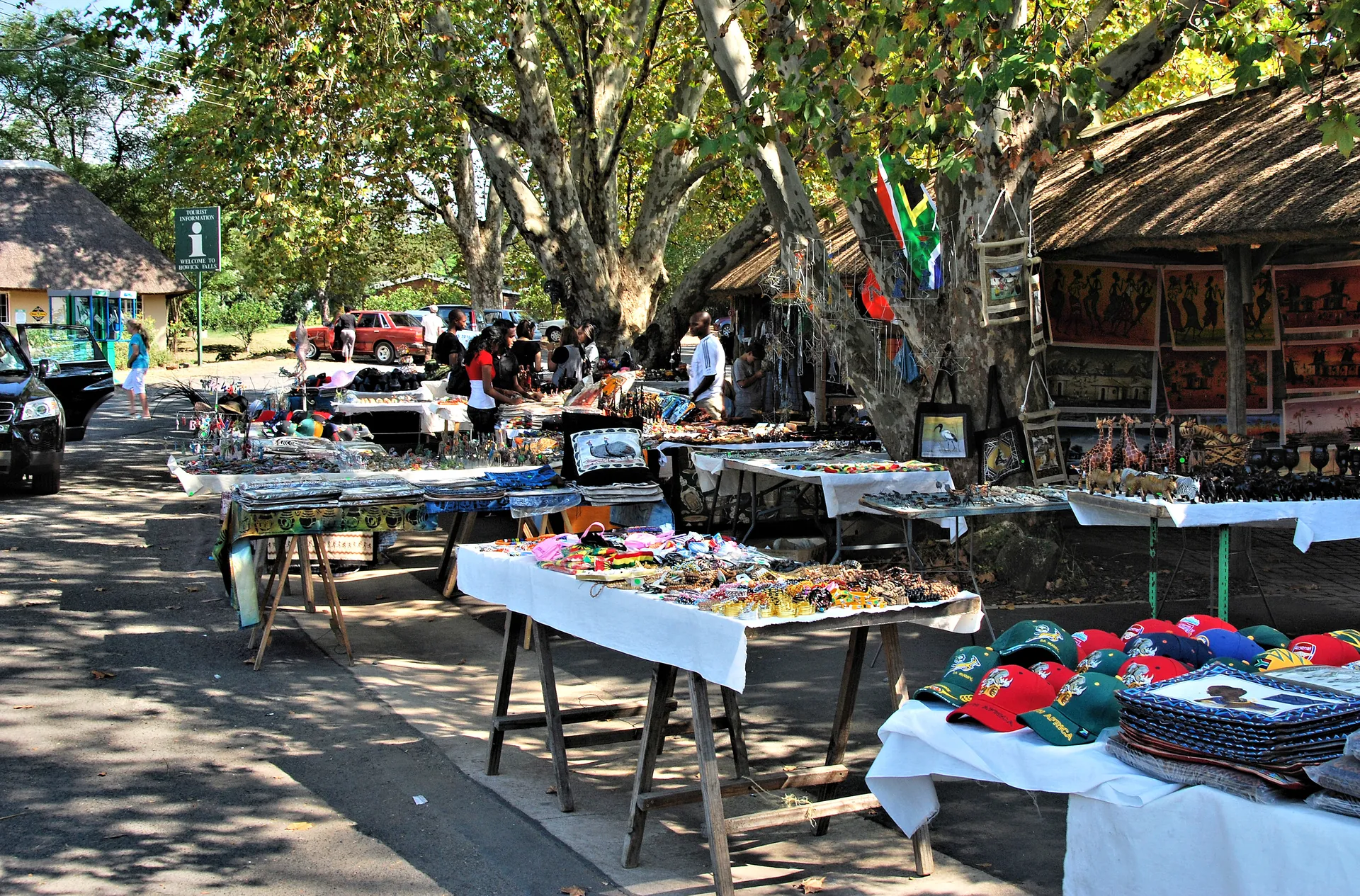
A visit to the falls naturally connects with the broader culture of the Midlands Meander. Adjacent to the main viewing platform, local artisans sell hand-carved wooden sculptures, woven baskets, and beadwork. Taking time to speak with the craftspeople provides genuine insight into KZN’s artistic heritage.
Just down the road, indie coffee roasters, craft breweries, and antique shops invite you to slow down. Savoring a proper scone with clotted cream after walking the gorge trail feels wonderfully reminiscent of my UK homeland, yet infused with distinct South African warmth. You can discover more regional outings on our things to do page.
The Ultimate KZN Road Trip Itinerary: Connecting Howick to the Drakensberg
To experience the best of KwaZulu-Natal’s water features, design a multi-day driving itinerary along the N3 highway corridor. Start on the coast in Durban before heading inland to Pietermaritzburg and Howick. After spending a morning at Howick Falls and exploring the Mandela Capture Site, head north through Nottingham Road toward the Northern Drakensberg.
- Day 1: Coastal Entry & City Drive – Depart Durban, explore coastal views, and drive inland along the N3 highway to Pietermaritzburg.
- Day 2: Howick Falls & Cultural Heritage – Morning coffee in Howick town, view Howick Falls from the main platform, walk the gorge trail, and visit the Nelson Mandela Capture Site sculpture along the R103.
- Day 3: Forest Falls & Canopy Trails – Drive north to Karkloof Nature Reserve for morning birdwatching and forest hiking near Karkloof Falls.
- Day 4: Drakensberg Alpine Majesty – Travel inland to Royal Natal National Park to view Tugela Falls cascading down the Amphitheatre cliff face.
For travelers who prefer structured travel with professional guides, booking an excursion like the Drakensberg Mountains, Howick Falls & Mandela Capture from Durban or the Full Day Drakensberg Tour from Durban Howick Falls Capture Site ensures seamless transport and expert local commentary.
Check our general planning guide for advice on seasonal weather patterns, entry requirements, and optimal road trip conditions across KwaZulu-Natal.
Standing on the rim of Howick Falls as the mist rises from the gorge, you realize this isn’t just a scenic stop; it is the beating heart of the KZN Midlands.