Planning Your Road Trip: Driving from Durban or Johannesburg to Howick
Setting out on the N3 highway toward Howick is a ritual familiar to anyone who loves the gradual shift from high-altitude city energy to pastoral calm. Living here in Howick, I often watch dust-covered motorcars pull off the tarmac after the long run from Johannesburg or the rapid climb from Durban, their drivers stepping out into the fresh mountain air with a distinct look of relief. Drivng through South Africa requires respect for the tarmac, steady pacing, and an understanding of how quickly the weather changes once you climb into the KwaZulu-Natal Midlands. Whether you hire a car after landing at O.R. Tambo International or pick up a hatchback in coastal Durban, having a clear plan for your journey makes the entire trip effortless. For smooth vehicle collection at either hub, you can inspect options directly on Avis South Africa before setting off.
Having reliable Howick Falls directions is essential before setting out, as the main arterial routes transition into narrow country roads near the town centre. If you prefer to consult a detailed transport and logistics guide or review a local Howick falls south africa map before setting off, taking ten minutes to map out your fuel stops and toll gates saves considerable hassle down the road. This guide breaks down both primary driving routes, exact toll gate fees for 2026, crucial pitstops, and safety tips for conquering iconic mountain stretches like Van Reenen’s Pass.
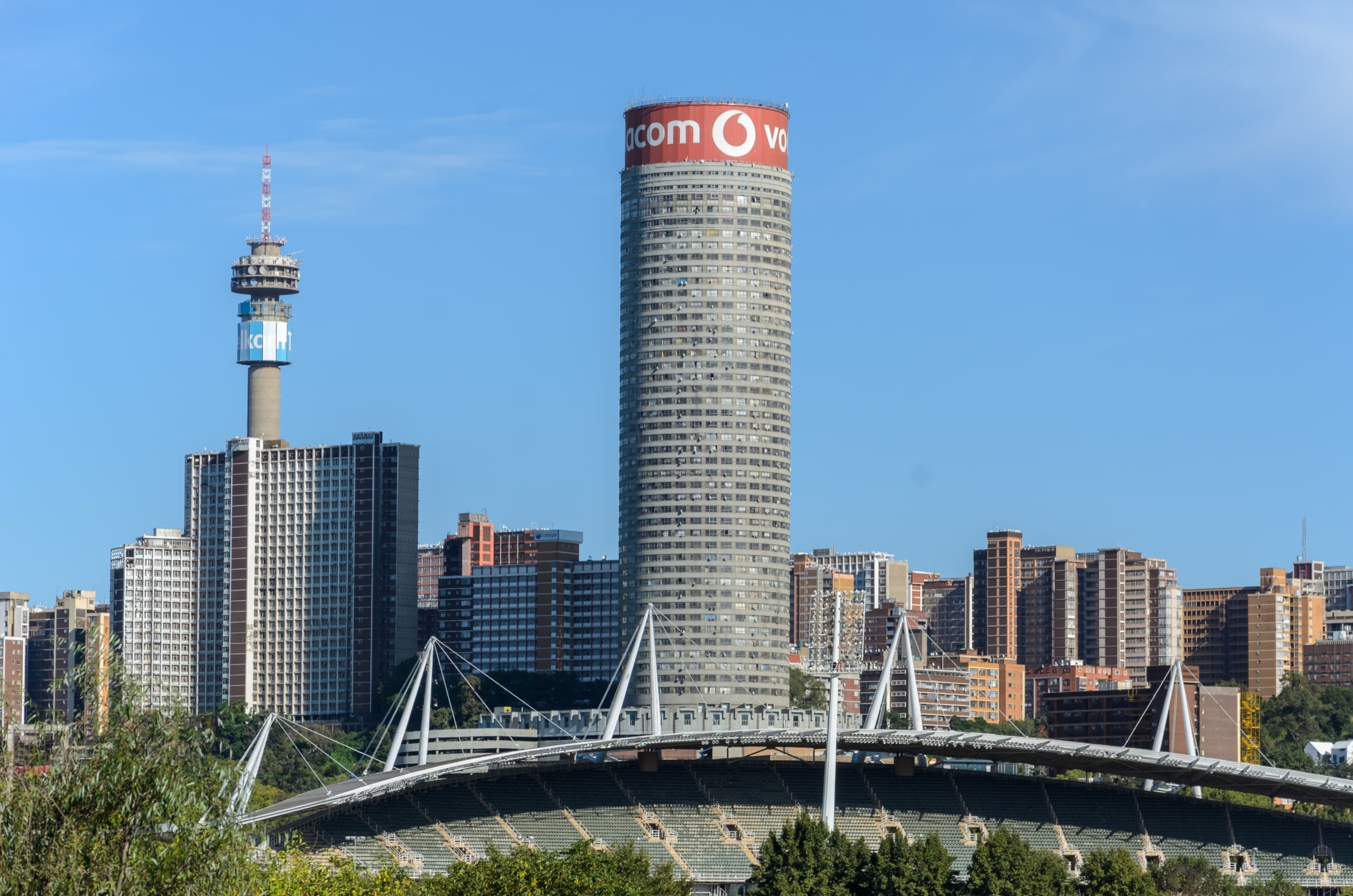
Route Overview from Johannesburg to Howick
The journey from Johannesburg to Howick spans approximately four hundred and seventy kilometres along the N3 National Route. Under normal traffic conditions, standard driving time sits between five and five-and-a-half hours, though you should allow six hours if you plan to enjoy a proper coffee break along the way. Your journey begins on the busy ring roads of Gauteng before heading south across the vast Highveld plateau. In many ways, this initial leg reminds me of driving across the English Fens, where endless horizons meet sweeping skies, though the tawny summer grasslands and golden winter maize fields are purely African.
As you clear Heidelberg, the heavy urban commuter density thins out, leaving you with open lanes that invite steady cruising. You will pass through a succession of agricultural towns including Villiers, Warden, and Harrismith. The landscape remains relatively flat for the first three hundred kilometres, but as you approach the Free State border with KwaZulu-Natal, the terrain begins to ripple. The flat horizons yield to dramatic sandstone outcroppings and distant blue mountain ridges, signaling your approach to the Drakensberg escarpment where the high interior plateau drops sharply toward the eastern coast.
Route Overview from Durban to Howick
Driving inland from Durban offers a far shorter, sharper journey. The distance is roughly one hundred and two kilometres along the N3 West, taking between an hour and fifteen minutes to an hour and thirty minutes depending on urban congestion around Pinetown and Pietermaritzburg. You begin at sea level, leaving the warm humidity of the Indian Ocean behind as you begin a continuous uphill climb toward the interior mist belt. Teh elevation change is dramatic: Howick sits at approximately 1,024 metres above sea level, meaning the air cools noticeably within an hour of driving.
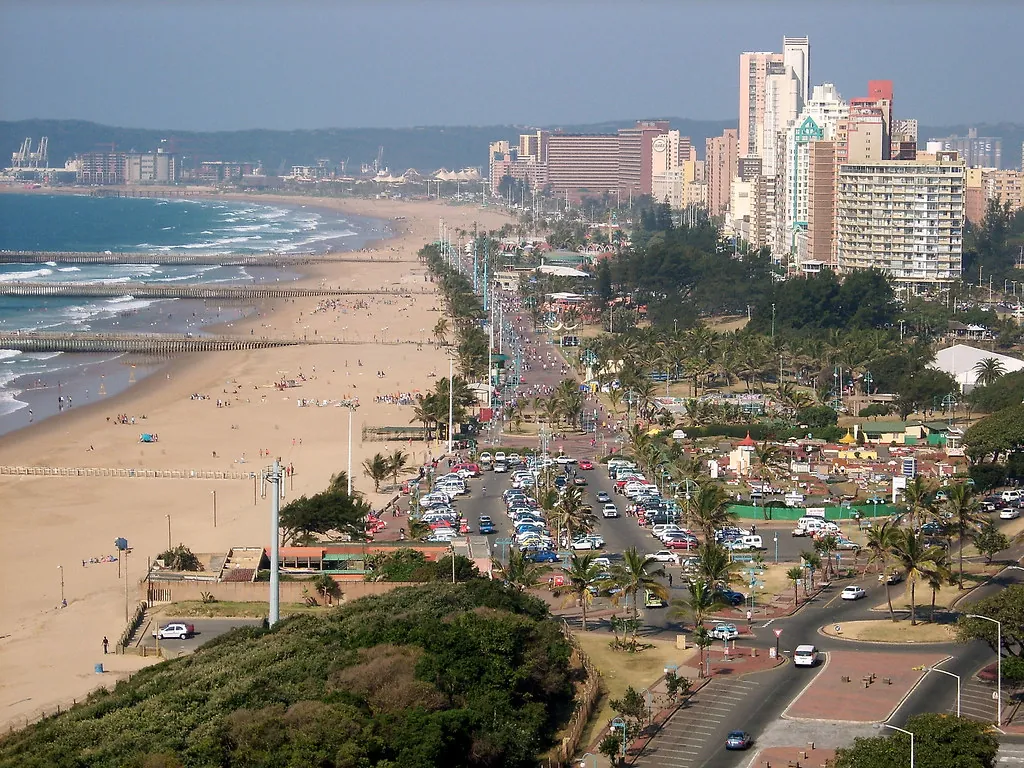
After bypassing Pietermaritzburg, the provincial capital, you face Town Hill, a famous steep incline that climbs steeply out of the valley. Heavy freight trucks move slowly on this gradient, so staying in the right-hand lane and maintaining a safe trailing distance is vital. Once you crest Town Hill, the coastal palm trees give way to lush pine plantations, dairy pastures, and rolling green hills that look strikingly similar to the rolling countryside of North Yorkshire. The final approach into Howick feels remarkably peaceful after negotiating the busy commercial freight traffic on the lower slopes.
The N3 Toll Route Breakdown and 2026 Tariffs
The N3 highway is a world-class toll corridor managed primarily by the N3 Toll Concession (N3TC) between Heidelberg and Cedara, with remaining sections overseen by the South African National Roads Agency (SANRAL). Toll fees support continuous maintenance, emergency response vehicles, and high-quality road surfaces along the entire route. All standard Class 1 light vehicles (passenger cars, SUVs, and light bakkies) can pay toll fees using cash, major international credit cards, or registered electronic tags.
Effective March 1, 2026, the current mainline toll tariffs for Class 1 light vehicles traveling along the N3 corridor are detailed below. If you drive the complete distance from Johannesburg to Howick, you will pass through four mainline plazas, costing a total of R347.50 one way.
| Toll Plaza | Managing Body | Location | 2026 Class 1 Tariff |
|---|---|---|---|
| De Hoek Mainline | N3TC | South of Heidelberg (GP) | R67.00 |
| Wilge Mainline | N3TC | Near Villiers / Frankfort (FS) | R94.00 |
| Tugela Mainline | N3TC | Near Ladysmith / Bergville (KZN) | R100.00 |
| Mooi Mainline | N3TC | Near Mooi River (KZN) | R70.00 |
| Mariannhill Mainline | SANRAL | West of Durban (KZN Coastal) | R16.50 |
Drivers coming up from Durban toward Howick only encounter the Mariannhill Mainline plaza if they join the N3 near the coast, though exiting at Howick off the N3 does not require passing through the Mooi Mainline plaza. Keep local currency on hand or ensure your bank card is enabled for contactless chip payments to avoid delays at manual toll booths.
Essential Pitstops and Tackling Van Reenen’s Pass
Long-distance highway driving demands proper pacing and planned breaks. On the Johannesburg to Howick run, several towns offer convenient service stations, clean facilities, and local eateries where you can stretch your legs. Heidelberg is ideal for a quick check of tyre pressure before starting the open road. Villiers, positioned on the banks of the Vaal River, features major fuel stations with fast-food outlets and convenience stores. Further south, Harrismith serves as the primary midpoint rest stop, equipped with comprehensive travel plazas, coffee shops, and wide parking spaces.
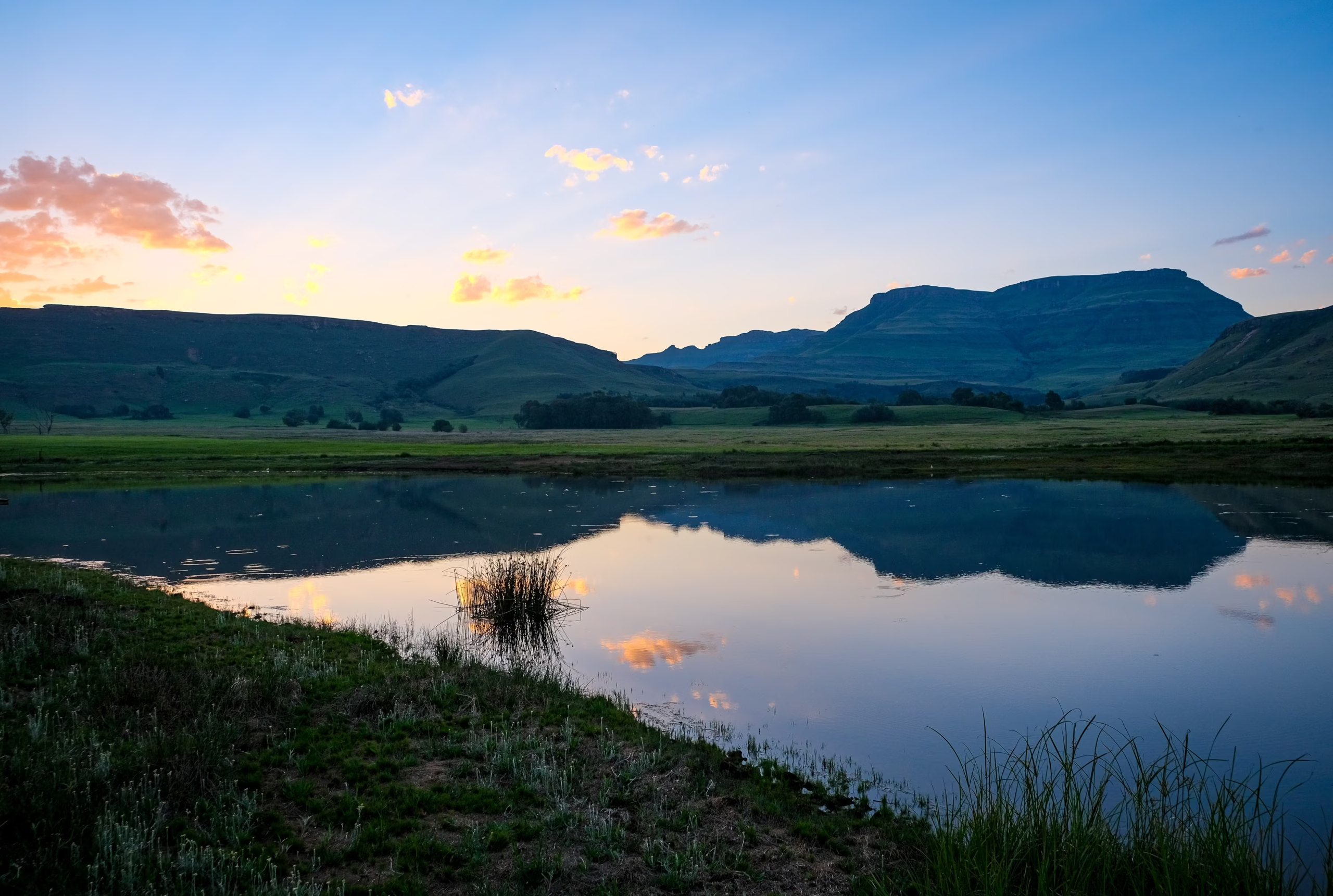
Just past Harrismith lies Van Reenen’s Pass, the most demanding stretch of tarmac on the N3. The highway plunges down the Drakensberg escarpment, dropping over 1,000 metres in altitude across a series of steep curves and sweeping gradients. Freight trucks travel down this pass at low speeds in low gear, while fast-moving passenger cars often attempt quick overtakes. Furthermore, weather on the pass can change within minutes. Dense mountain fog, known locally as the KZN mist, can roll across the ridge, reducing visibility down to ten metres without warning.
Local advice: When driving down Van Reenen’s Pass in heavy mist or rain, switch on your low-beam headlights and hazard lights immediately. Never stop on the shoulder of the pass; if visibility becomes impassable, pull completely into a designated service area until the weather clears. Emergency support on this stretch is monitored around the clock by the N3TC Helpline (0800 63 4357).
If you prefer a slower, scenic detour around the steep highway descent, consider exiting near Harrismith onto the R74 via Oliviershoek Pass. This route carries you down through Bergville and Winterton, offering sweeping views of the Northern Drakensberg amphitheatre before reconnecting to the Midlands roads. It adds roughly forty minutes to your total travel time, but the tranquil mountain vistas make it a road trip destination that is well worth aiming for.
Entering the Midlands Meander and Exiting for Howick
Whether you are traveling south from Johannesburg or north from Durban, your transition into Howick marks your arrival in the famous Midlands Meander. To reach the town centre and the main waterfall viewing area, take Exit 107 (Howick / Tweedie) off the N3. Turning onto the R103 immediately alters your driving mindset. The high-speed highway pulse gives way to tree-lined avenues, stone farm stalls, and roadside craft studios. You can browse our dedicated Midlands activities and attractions guide to explore art studios, craft breweries, and artisan bakeries dotted along this famous route.
Road Safety Practices
Keep your doors locked and windows rolled up when stopping at major intersections or toll plazas. Avoid driving along the N3 late at night, as unlit agricultural vehicles, stray livestock, and heavy freight convoys increase collision risks during dark hours.
Mist Belt Weather Realities
Summertime brings sudden, severe afternoon thunderstorms accompanied by heavy downpours and lightning. Winter mornings often introduce thick frost and zero-visibility fog. Check regional forecasts on South African Weather Service before leaving.
Before taking on local hiking routes around the falls or exploring rural roads, make sure to review our mandatory visitor rules and guidelines as well as our deep-dive analysis on navigating waterfall safety in South Africa. Respecting natural barriers, river currents, and local safety protocols ensures your visit remains memorable for all the right reasons.
Parking and Arrival at Howick Falls
Following the main road into Howick along Morling Road leads you straight toward Falls Drive. A clear Howick falls south africa map highlights the designated public parking area positioned directly opposite the main viewing site. Upon arrival, you will find paved parking bays overseen by registered, uniformed car attendants. While parking is technically free, tipping car guards between R10 and R20 upon your return is standard courtesy across South Africa.
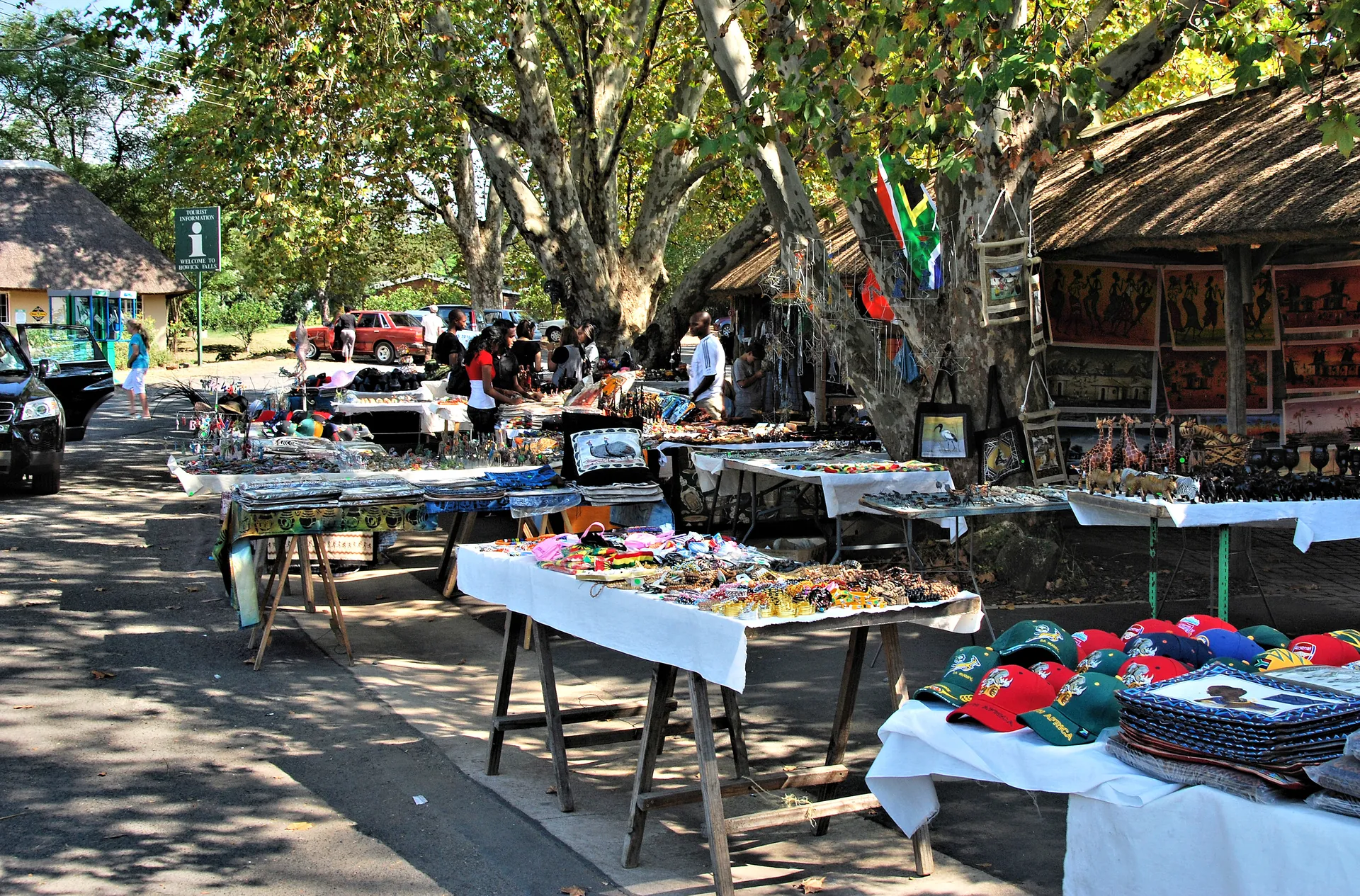
Stepping out of your car, the immediate sound of crashing water guides you toward the viewing platform. The primary vantage point sits just fifty metres from the parking area, providing an unobstructed view of the 95-metre cascade plunging into the gorge below. Surrounding the parking precinct, vibrant local markets showcase hand-carved wooden sculptures, wirework art, and traditional Zulu craftwork. If you wish to stretch your legs further after your long drive, consider tackling the famous Howick Falls Gorge Walk down to the riverbed, or immerse yourself in local folklore by reading about the legend of the Inkanyamba serpent said to inhabit the pool at the base of the cascade. For broader regional itinerary planning and provincial tourism updates, consult Tourism KwaZulu-Natal.
Arriving at the falls after hours on the highway is a rewarding feeling. As the hum of the engine fades and the crisp mist blows up from the gorge, you will realise that the journey across South Africa’s national roads was simply the opening chapter to a classic Midlands adventure. Take your time, enjoy a warm cup of coffee from the nearby cafe, and savour your first view of one of KwaZulu-Natal’s most magnificent natural wonders.