Navigating Safety at South Africa’s Waterfalls: What Every Tourist Must Know
The Raw Power of Howick Falls
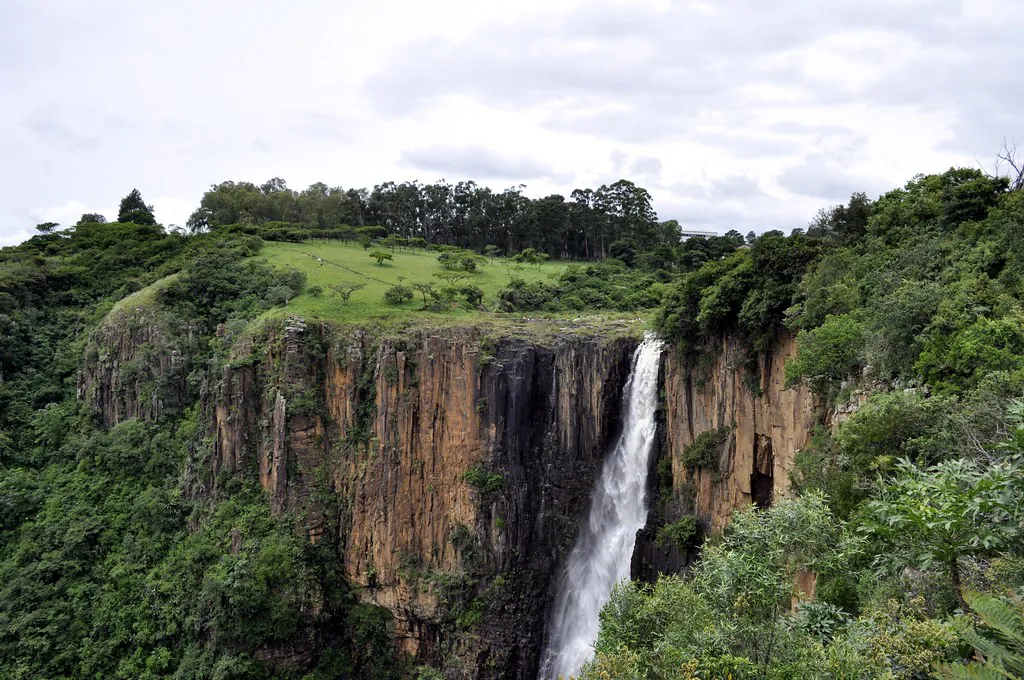
Living in the KwaZulu-Natal Midlands after relocating from Yorkshire, I frequently admire how the rolling green hills mirror the English countryside. The moment you stand near the precipice of the Umgeni River and hear the water roaring down dolerite cliffs, that gentle comparison disappears. Howick Falls has an unyielding, primal force. Living in town has taught me to appreciate this landscape while maintaining deep respect for its natural hazards. International travelers arriving to admire the 95-metre cascade sometimes view the area as a tame municipal park, yet this is an uncontained water system that requires sharp situational awareness.
The Geography of Risk
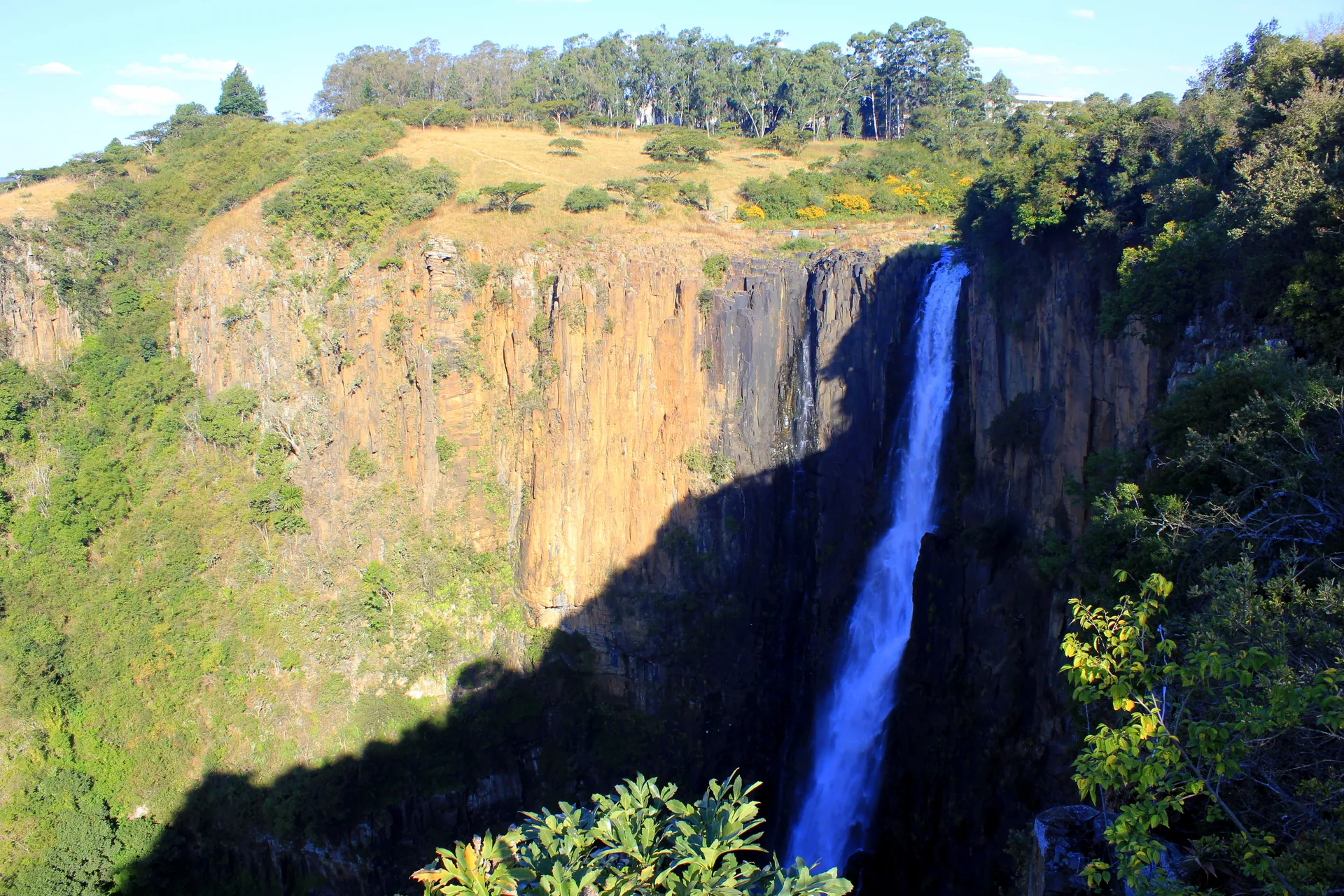
The physical layout of the gorge presents direct environmental challenges. The Umgeni River meanders peacefully across the plateau before taking an abrupt vertical leap of 95 metres into a deep basin. Hard dolerite rock surrounds the riverbed, polished smooth by centuries of heavy water flow. The cliff edge has no gentle slope or natural catch barrier. Anyone stepping near the edge encounters polished stone and sheer drops where losing your footing has catastrophic consequences.
Slippery Rocks and Wet Microclimates
The local KZN mist, known locally as “the Smirr”, moves rapidly across the valley and leaves a thin coating of moisture on every stone surface. Algae thrives along the wet river margins, creating dangerous zero-traction zones. Photographing the waterfall during early morning light tempts many visitors to step past paved areas for a cleaner camera angle. Watching people attempt this on damp rocks is nerve-wracking. Spray rising from the base creates a constant microclimate, keeping surfaces wet within fifty metres of the cliff edge regardless of recent rainfall.
The Hidden Threat of Undercurrents
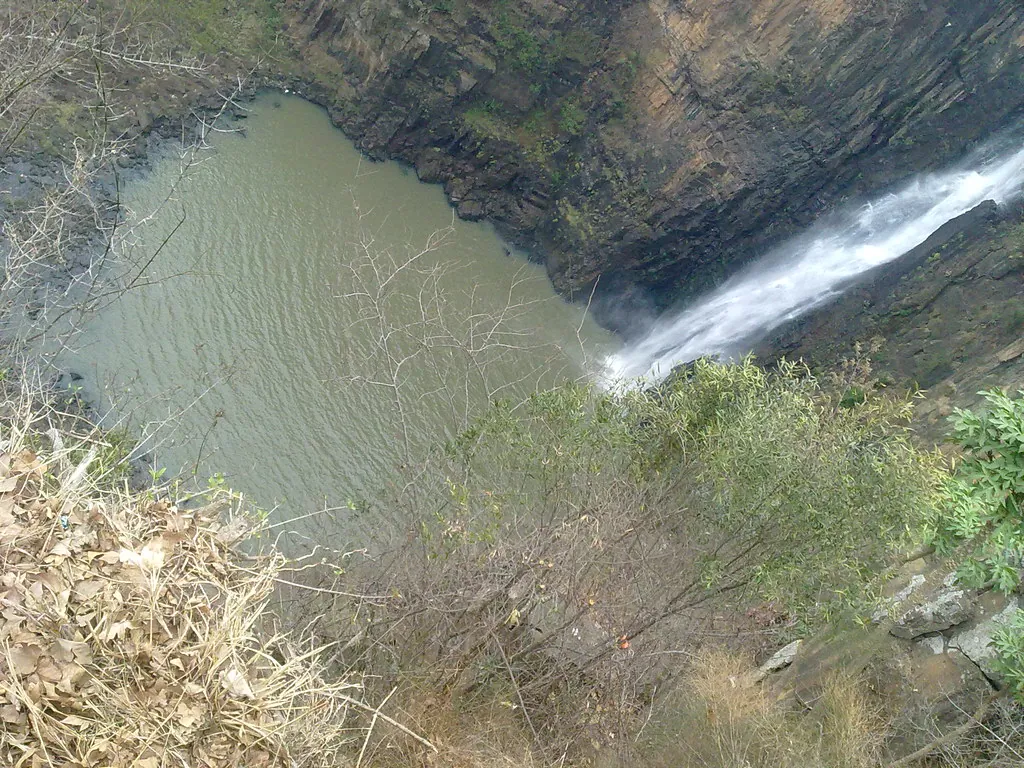
Visitors often inquire about swimming in the deep pool beneath the cascade, but entering the water is strictly prohibited. Heavy water falling 95 metres generates violent hydraulic currents beneath the surface. As mass quantities of water hit the basin, air bubbles get forced deep underwater, reducing buoyancy. A swimmer entering the basin loses flotation and gets pulled down by recirculating undertows, creating a trap even for experienced swimmers.
Historical Incidents and Reality
Historical archives dating back to the 19th century detail over 40 recorded Howick falls deaths linked to accidental slips, hazardous dares, and attempts to cross the river near the crest. Early settlers attempting to ford the Umgeni River before bridges existed were sometimes swept over the precipice during high water. Examining documented Howick falls south africa deaths reveals a consistent pattern of individuals underestimating water velocity or stepping past protective railings. Emergency teams including Midlands EMS, SAPS Search and Rescue, and regional disaster management teams handle complex extractions from the gorge. Safety railings erected by the uMngeni Municipality exist to protect human life, making adherence to barriers mandatory.
| Emergency Unit / Agency | Contact Number | Primary Role & Capabilities |
|---|---|---|
| uMngeni Municipal Emergency | 0800 000 0124 | Local municipal response & safety coordination |
| National Emergency Services | 112 | Cellular dispatch to nearest emergency unit |
| Midlands EMS (Private Rescue) | 082 043 8393 | Advanced medical support & gorge extraction |
| SAPS Search & Rescue | 10111 | Tactical search, high-angle rope rescue, & recovery |
Viewpoint Safety Protocols
- Remain behind metal balustrades and stone perimeter walls at all viewing decks.
- Avoid standing on wet boulders or wall edges for photos.
- Keep young children within physical reach near cliff viewpoints.
- Watch for smooth, slippery paving stones during misty KZN mornings.
Gorge Hiking Rules
- Hike the gorge pathway only during daylight and clear weather.
- Wear trail shoes with rubber tread rather than flat-soled footwear.
- Carry a charged mobile phone and sufficient drinking water.
- Hike with a companion or hire a accredited local guide via SA-Venues Destination Guide.
Navigating the Gorge Walk Safely
Descending into the ravine offers direct access to indigenous forest and river scenery, but the walk requires physical readiness. The trail is steep and unpaved, winding across exposed roots, wet clay, and loose scree. Attempting this trail in basic sandals or smooth trainers creates severe slip risks. Prior to starting your descent, consult our detailed Gorge Walk Trail Guide to confirm your fitness level suits the terrain. Tackling teh trail without notifying someone of your route or without an experienced local guide is a decision you really don’t want to find yourself in.
“The gorge is a living landscape. Moisture from the mist never truly leaves the soil, so every step requires deliberate foot placement.”
Local Midlands Hiking Guide
Weather Volatility in the Midlands
Weather in KwaZulu-Natal changes abruptly, especially during summer afternoon storms. A clear morning sky can give way to heavy rainfall within an hour. Downpours across the upstream Umgeni catchment area send surge water down river toward Howick rapidly. Sudden water increases accelerate flow velocity over the fall crest, turning modest water streams into massive floods. When dark storm clouds assemble over the Drakensberg range, smart visitors retreat to town to enjoy artisan coffee along the Midlands Meander route.
Cultural Respect and Local Lore
Howick Falls holds profound spiritual meaning for the local Zulu community, who call the site KwaNogqaza (“Place of the Tall One”). Zulu traditions hold that the plunge pool is the sanctuary of the Inkanyamba, a giant serpent linked to fierce storms and water power. Traditional healers (sangomas) treat the basin with deep reverence, avoiding the water edge out of spiritual respect. Discover more about these local traditions in our overview of the Legend of the Inkanyamba. Respecting local heritage by keeping away from sacred water boundaries protects both cultural tradition and personal safety.
Wildlife Awareness Along the River
Exploring the riverbanks and bush trails brings visitors near KZN’s native wildlife. The gorge bush provides habitat for venomous snakes, including puff adders that blend into leaf litter and remain still when approached. Keep focused on where you step along grassy paths. Ticks thrive in high grass during warm summer months, making long trousers tucked into socks a wise choice. Review our complete Visitor Rules & Guidelines for comprehensive environmental safety tips.
Essential Visitor Guidelines
Visiting Howick Falls is a highlights of visiting the KZN Midlands when approached with preparation. Before driving over, check practical information on our FAQs & Visitor Information hub or plan your driving route via our Transport Guide. Those interested in structured day trips with local experts can review curated options on our Tickets & Tours booking page. Enjoy the golden light falling across the mist, stay behind security fences, and give this magnificent natural site the respect it deserves.